Is A Monthly Hot Water Extraction Visit Enough To Keep Your Restaurant Carpets In Pristine Shape?
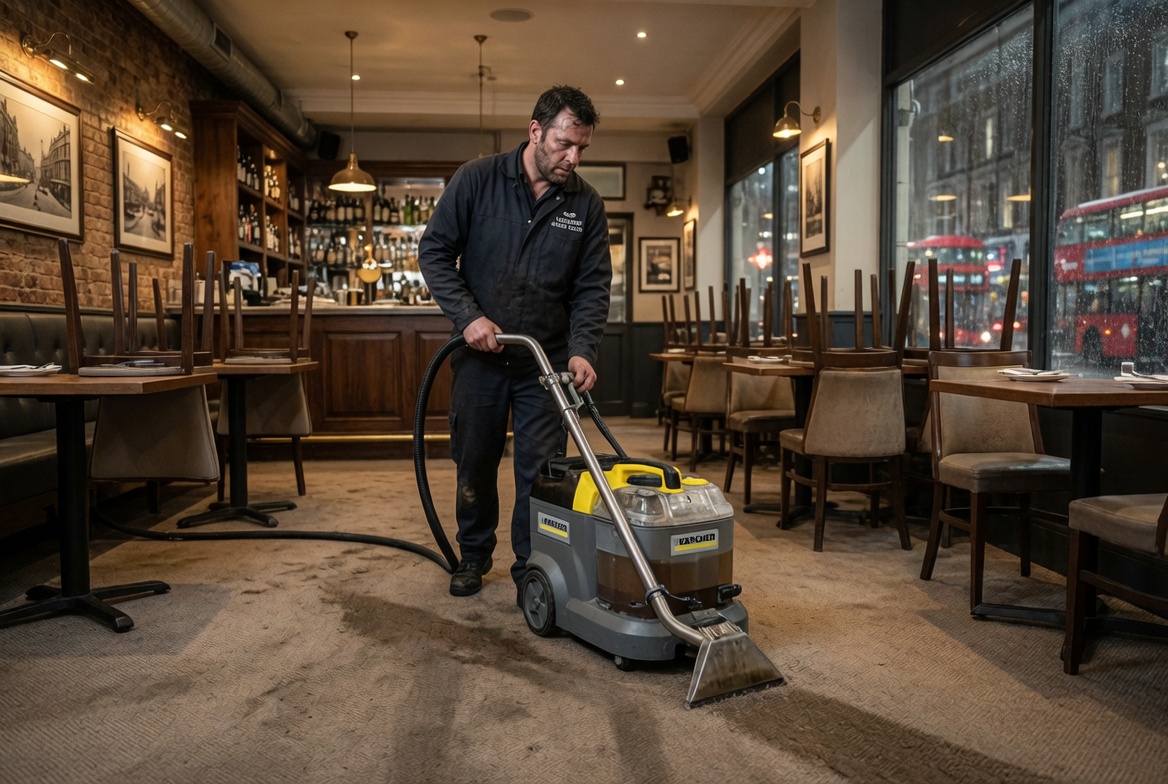
No. A monthly hot water extraction visit is not enough on its own to keep restaurant carpets in pristine shape. It helps, and it plays a valuable role, but it does not solve the full problem. I say that with confidence after years of cleaning carpets in London restaurants of every size, from small independents to high-volume city venues.
Monthly extraction works like a reset button. It clears out deep contamination and refreshes the carpet. The issue comes afterwards. Restaurants operate in a constant state of wear. Foot traffic never really stops. Food and drink spills happen daily. Grease travels further than most people expect. Carpets begin collecting soil again almost immediately. Without support between deep cleans, even the best extraction work fades fast.
Many owners book monthly visits believing they have done enough. The carpet looks good for a short time. Then traffic lanes return. Smells creep back. Fibres flatten. The same questions appear again a few months later. A better approach exists, and it protects both appearance and budget.
What Hot Water Extraction Actually Achieves In A Restaurant Setting
Hot water extraction remains the most thorough carpet cleaning method available to commercial venues. It reaches places other methods cannot.
Deep Cleaning Versus Day-To-Day Reality
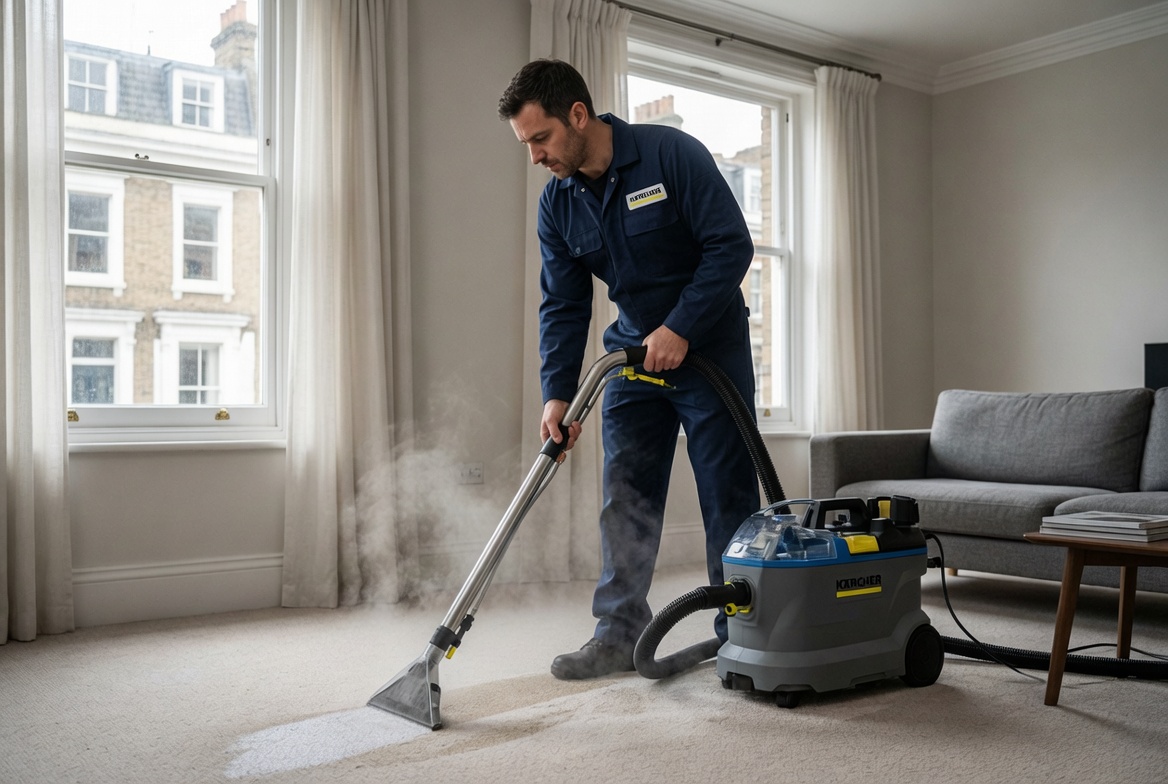
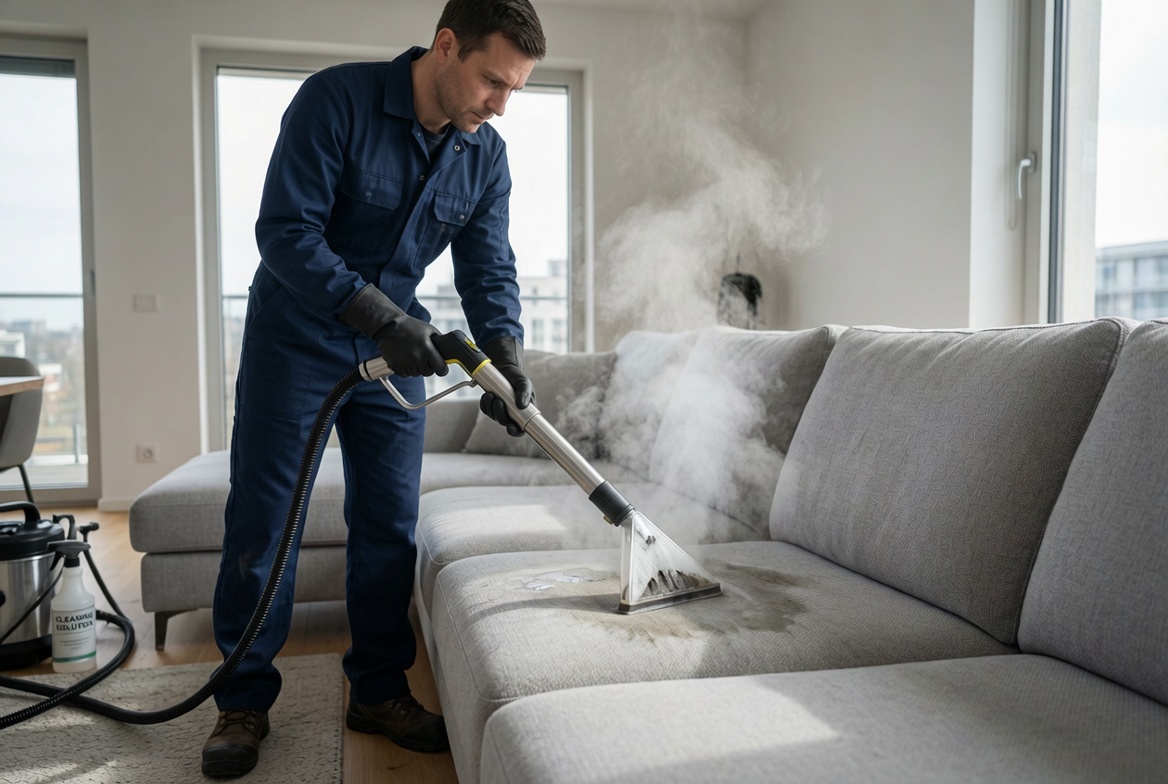
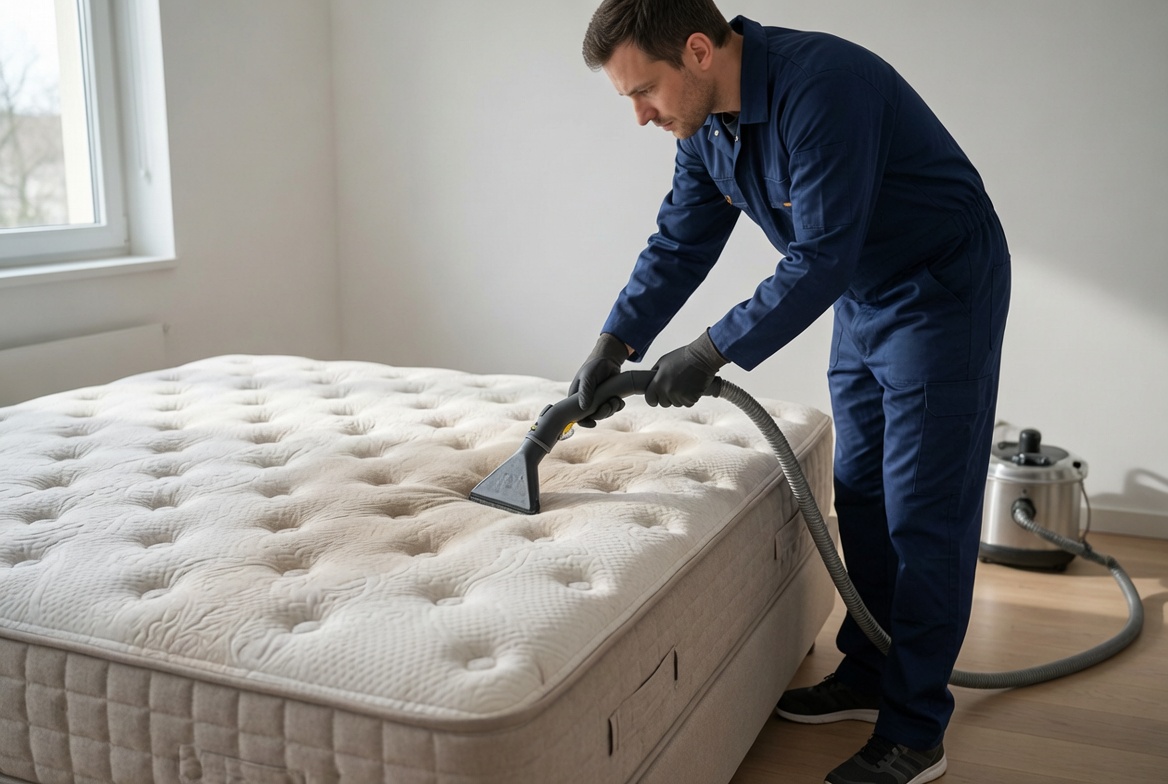
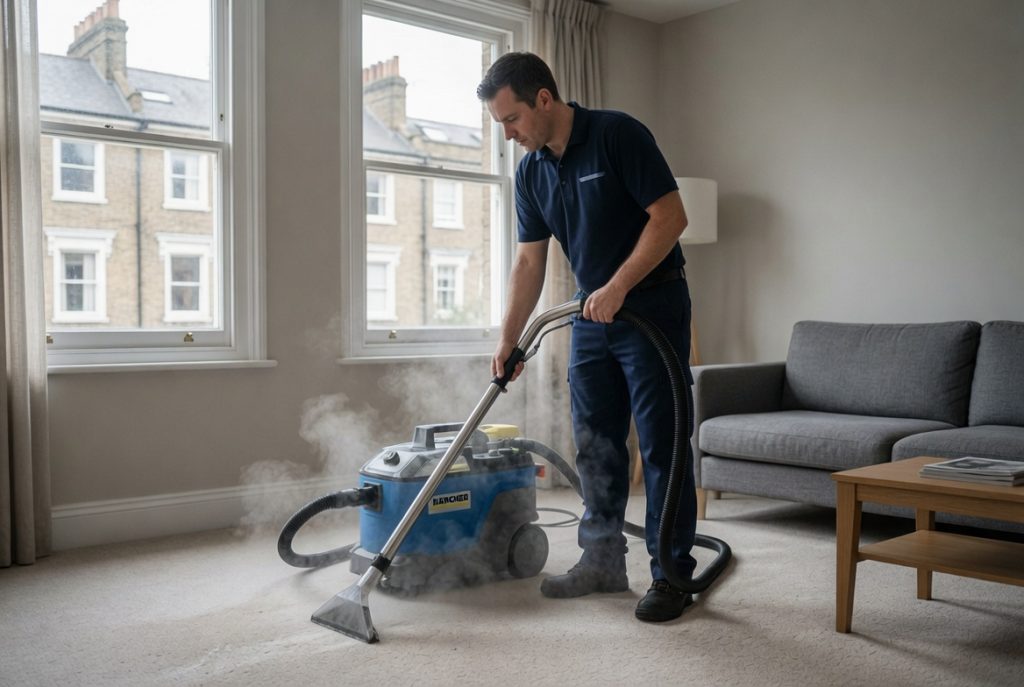
Extraction injects heated water and cleaning solution deep into the carpet pile. The machine then pulls out soil, grease, bacteria, and residues that sit below the surface. This process restores fibre bounce, removes odours, and improves hygiene levels. Restaurants benefit more than most spaces because food service creates sticky contamination that embeds itself quickly.
That deep clean feels transformative at first. Colours brighten. Carpets feel lighter underfoot. Smells disappear. The problem lies in what happens next. Service begins again the same day or the next morning. Staff follow the same paths. Customers queue, move tables, and spill drinks. Grease particles drift from kitchens and bars and settle quietly. None of this waits politely for the next scheduled visit.
Hot water extraction cleans what exists at that moment. It does not create a protective barrier against the next four weeks of service.
Why Restaurant Carpets Deteriorate Faster Than Most Commercial Spaces
Restaurant carpets experience a level of stress that few other commercial environments match.
Traffic, Grease, And Spills Add Up Quickly
London restaurants rarely enjoy quiet days. Lunchtime trade blends into evening service. Weekends extend hours further. Each customer brings dirt from pavements, stations, and streets. Grit sinks into the pile and grinds fibres from the inside.
Grease creates a different problem. Airborne oils cling to fibres and make them sticky. Sticky fibres attract more soil. Bar areas suffer most. Drinks splash. Sugar residues linger. Staff move quickly and spills go unnoticed until later. Liquids soak into backing layers and create odours that extraction alone struggles to control.
Monthly extraction removes the build-up, yet the wear process never pauses. Carpets age quickly unless owners intervene more often.
The Hygiene And Compliance Risks Of Monthly-Only Cleaning
Clean carpets matter for more than appearances. Hygiene risks build silently beneath the surface.
What Inspectors And Customers Notice First
Environmental health officers assess overall cleanliness. Carpets play a role in that judgement. Food debris, moisture, and bacteria collect between fibres. Odours develop slowly and linger. Sticky textures near bars or service routes signal contamination even when stains look minor.
Customers pick up on these cues too. A musty smell or darkened walkway creates doubt instantly. People may not mention it, yet they notice. Monthly-only cleaning leaves a long gap where hygiene standards drift without obvious warning signs until the damage shows.
Interim Maintenance Methods That Make Or Break Carpet Lifespan
Deep cleaning needs reinforcement. Interim maintenance does that job.
Low-Moisture Cleaning And Daily Care
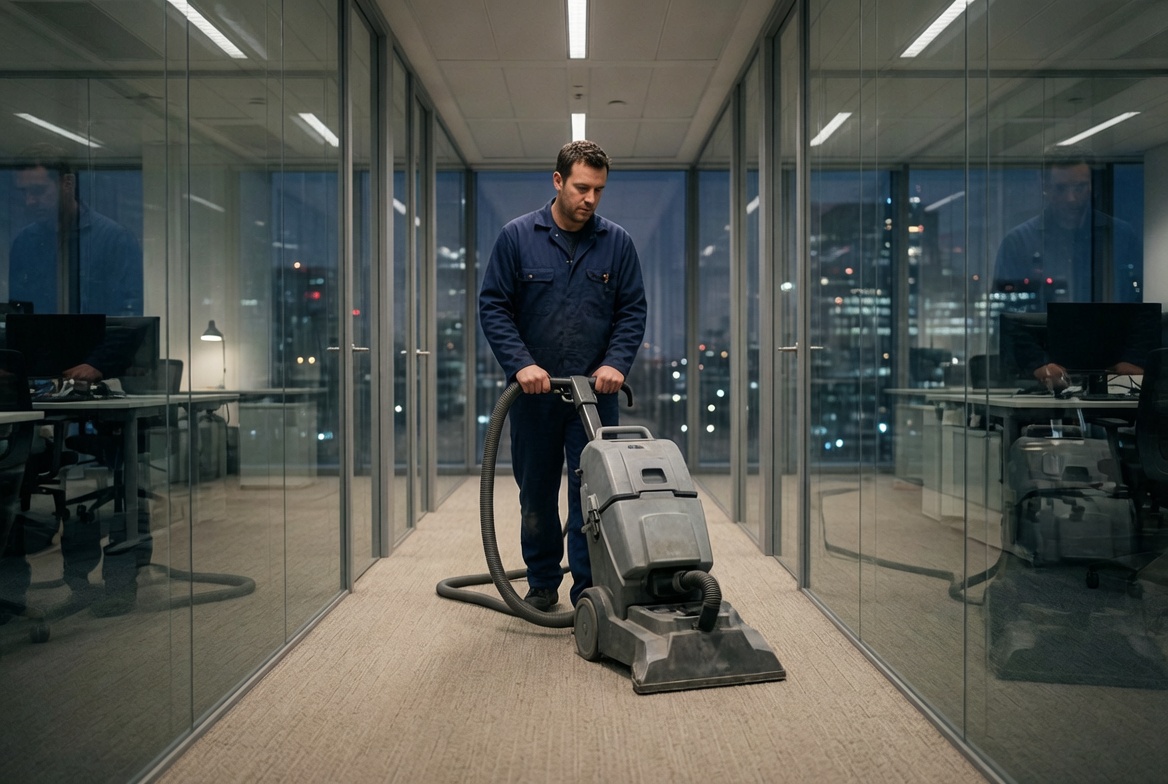
Low-moisture cleaning removes surface soil before it embeds itself. These systems use minimal water and dry quickly, which suits restaurants with limited downtime. Interim cleans keep carpets visually consistent and reduce odour build-up.
Spot treatment matters even more. Staff who know how to blot and treat fresh spills prevent permanent staining. Fast action stops liquids reaching the backing. Daily vacuuming removes grit that cuts fibres apart over time. Restaurants that commit to simple daily routines often double the usable life of their carpets.
How Footfall Patterns Should Dictate Cleaning Frequency
Not every carpeted area suffers equally. Smart planning focuses effort where it matters most.
Dining Rooms, Bars, And Service Routes
Entrance zones collect the most grit. Service routes see constant footfall and food spills. Bars deal with sugar, alcohol, and grease. Dining areas experience chair drag and dropped food but less liquid exposure.
Treating all zones the same wastes resources. Weekly low-moisture cleaning in entrances and bars controls soil. Monthly extraction suits lower-risk seating areas. Service routes often need extra attention due to continuous use. Zonal planning keeps carpets looking balanced across the venue instead of spotless in one area and worn in another.
Cost Versus Value – Is Monthly Extraction Really Cheaper?
Monthly extraction appears cost-effective at a glance. The long-term picture often proves otherwise.
Repair, Replacement, And Reputation Costs
Carpets without interim care deteriorate faster. Fibres flatten and lose resilience. Colours dull. Odours linger. Replacement arrives sooner and costs far more than maintenance ever would.
Emergency stain call-outs disrupt service and budgets. Reputation damage costs even more. Customers judge cleanliness instantly. Tired carpets suggest neglect, even if kitchens sparkle. Preventative care protects flooring and brand image together.
What A Proper Restaurant Carpet Maintenance Plan Looks Like
Successful plans reflect real operating conditions rather than ideal schedules.
Building A Schedule Around Service Hours
A solid plan blends monthly hot water extraction with regular interim cleans. Spot treatment protocols empower staff to act immediately. Cleaning schedules avoid peak hours and respect service flow.
Drying times stay short. Disruption stays minimal. Carpets remain consistent rather than cycling between clean and tired. Owners gain predictable costs instead of surprise problems.
The Professional Verdict From A Commercial Carpet Cleaner
Experience shapes this view, not theory.
Why One Visit A Month Rarely Delivers “Pristine”
Monthly hot water extraction forms a strong foundation. It cannot carry the full load alone in busy restaurants. Carpets need layered care that reflects daily realities. Interim cleaning, daily routines, and targeted scheduling keep carpets genuinely pristine. Restaurants that adopt this approach protect their floors, meet hygiene expectations, and present a professional image every single day.